Botswana photo safaris

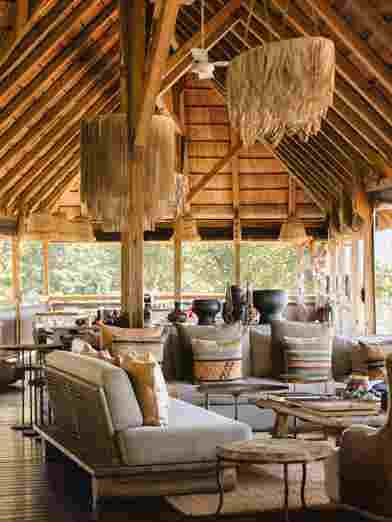
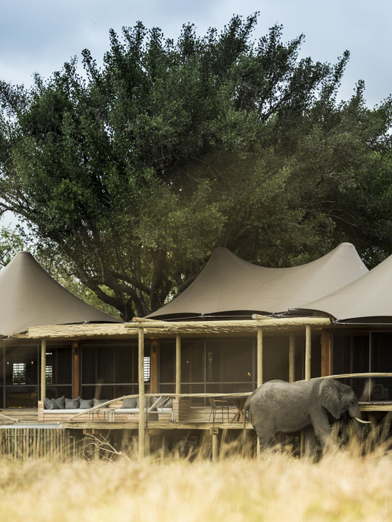
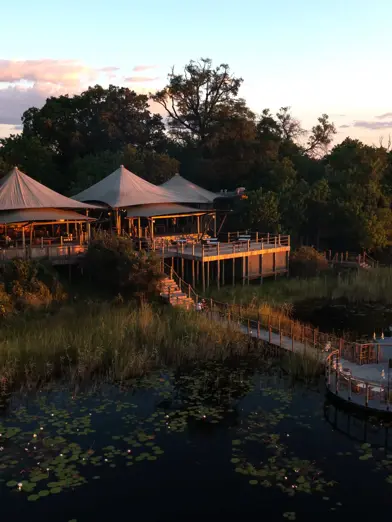
From remote destinations with abundant wildlife to intimate luxury camps with guaranteed window seats, Wilderness creates the ideal setting for a photo safari in Botswana.



Itinerary
Tailor-made

Personalised safaris including Wilderness camps, partner properties, city stays, transfers, activities and experiences to suit your dates and interests.

Upliftment Employment
Award-winning

193 awards since 2020, with our safari lodges consistently voted among the top in the world, as well as recognition for our positive Impact initiatives.

Game Drive
Exclusive

With small guest numbers, we provide access to remote concessions in some of Africa’s wildest safari destinations, with the option of private vehicles and guides for additional flexibility.

Binoculars
Diverse

We operate in eight African countries, with 55+ camps promising a range of activities from boating, to walking, game drives and more, for a full immersion in nature and local culture.

How to book a photo safari in Botswana

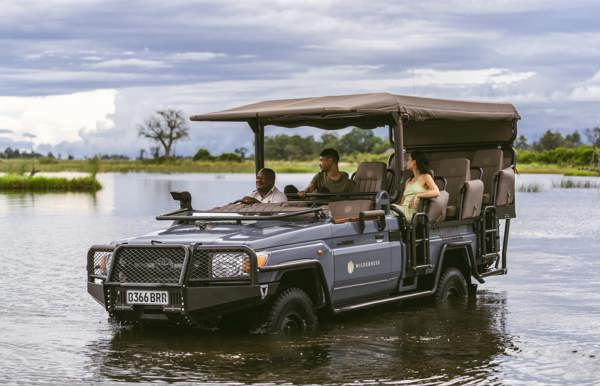
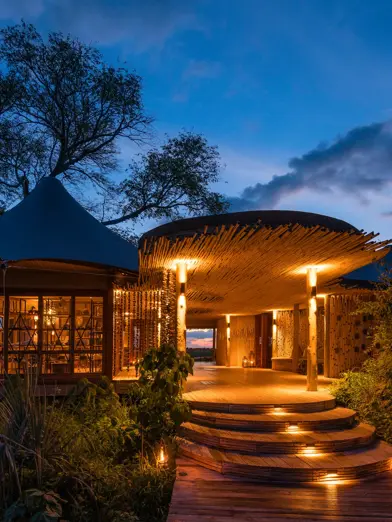
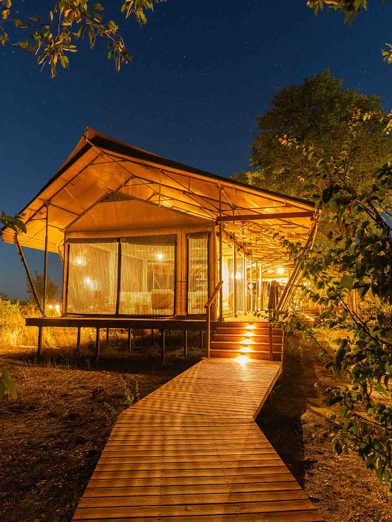
When you book a photo safari in Botswana with Wilderness, your itinerary will be tailored entirely to you. From exclusive transfers and private vehicles to expertly guided activities and unique experiences, we help you plan it all, creating a fully personalised private tour. Some of our smallest camps in the country feature as few as four suites, so you may even decide to book these out on an exclusive-use basis for your group. With our own private airline, Wilderness Air, a total end-to-end response capability through Wilderness24 and the option to also book a private guide to accompany you on your journey, no matter where to choose to safari in Botswana we are with you every step of the way. 

Book your tour today

Photo safari tours & packages in Botswana
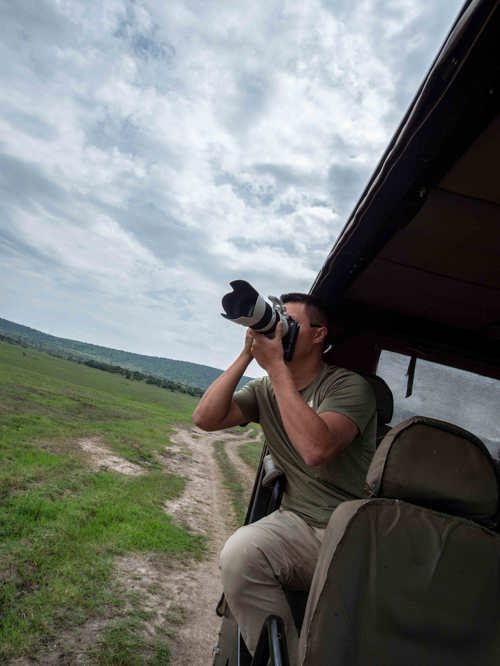
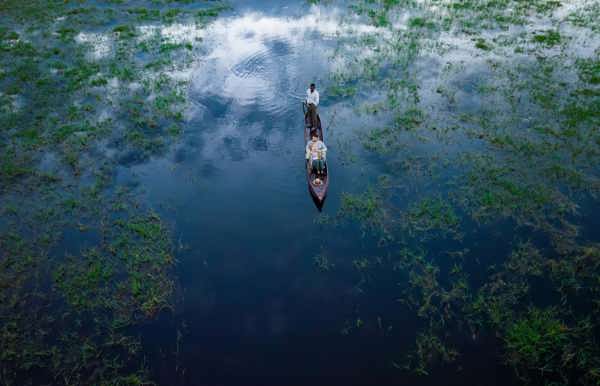
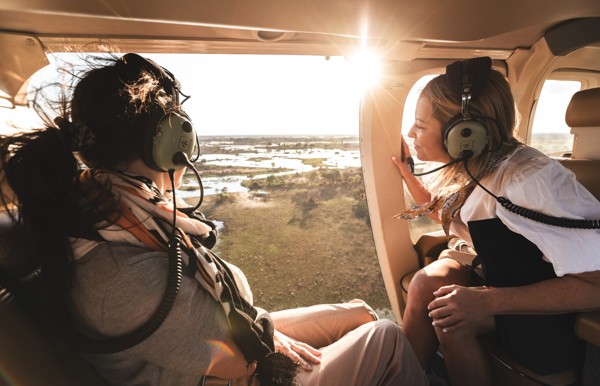
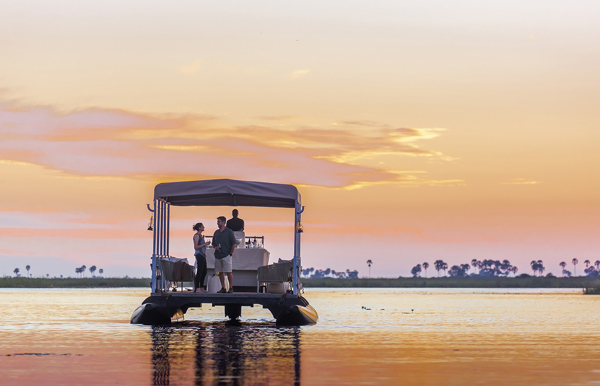
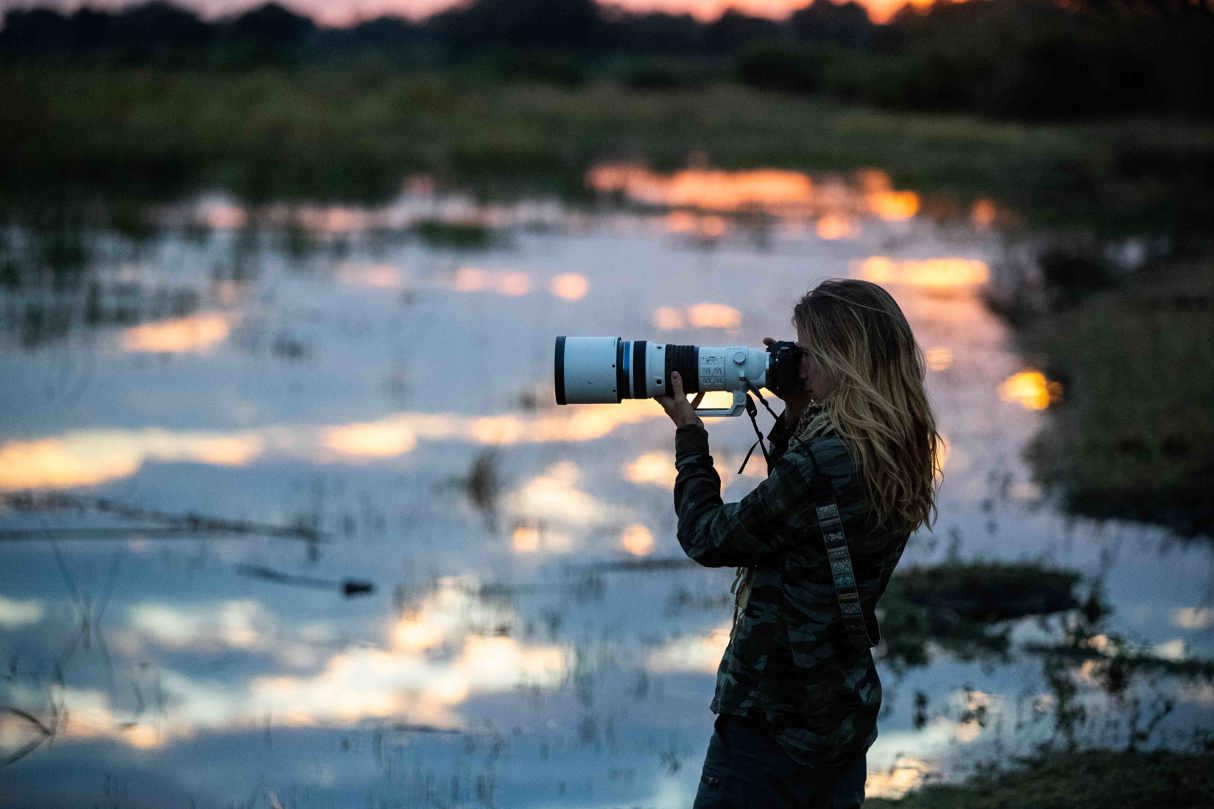
Our safaris are designed to showcase Botswana’s most photogenic wild regions. While we don’t offer dedicated photography tours, many of our guides are highly experienced in working with photographers while our range of activities, including mokoros, boating, helicopter flights, and night drives, add a unique perspective. Get in touch to create a Botswana photo safari tailored to you.
Wilderness Camera Tips Photography On Safari

Photography at Wilderness camps

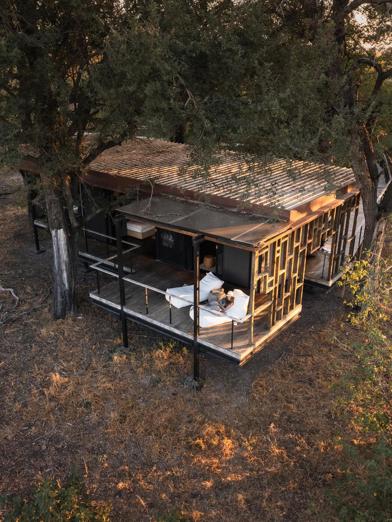
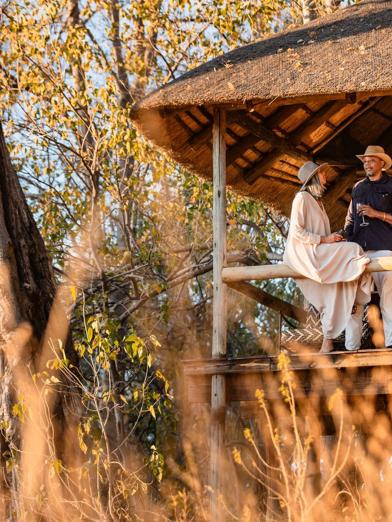
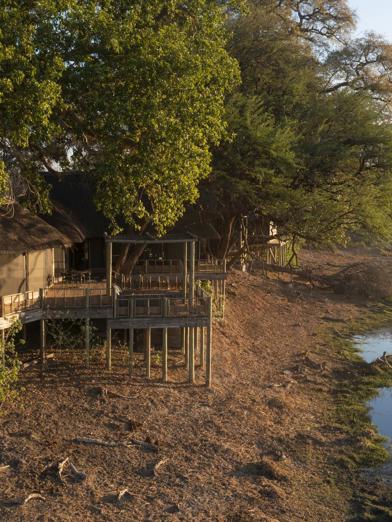
Our sunken hides are strategically placed in front of areas frequented by wildlife, and our elevated Star Beds are also great places to take photographs from, with animals often drinking below and brilliant skies above. Chat to one of our Travel Designers and they’ll help you select a camp with one the above facilities. You’ll often see wildlife right from your suite, too.

Talk to us today
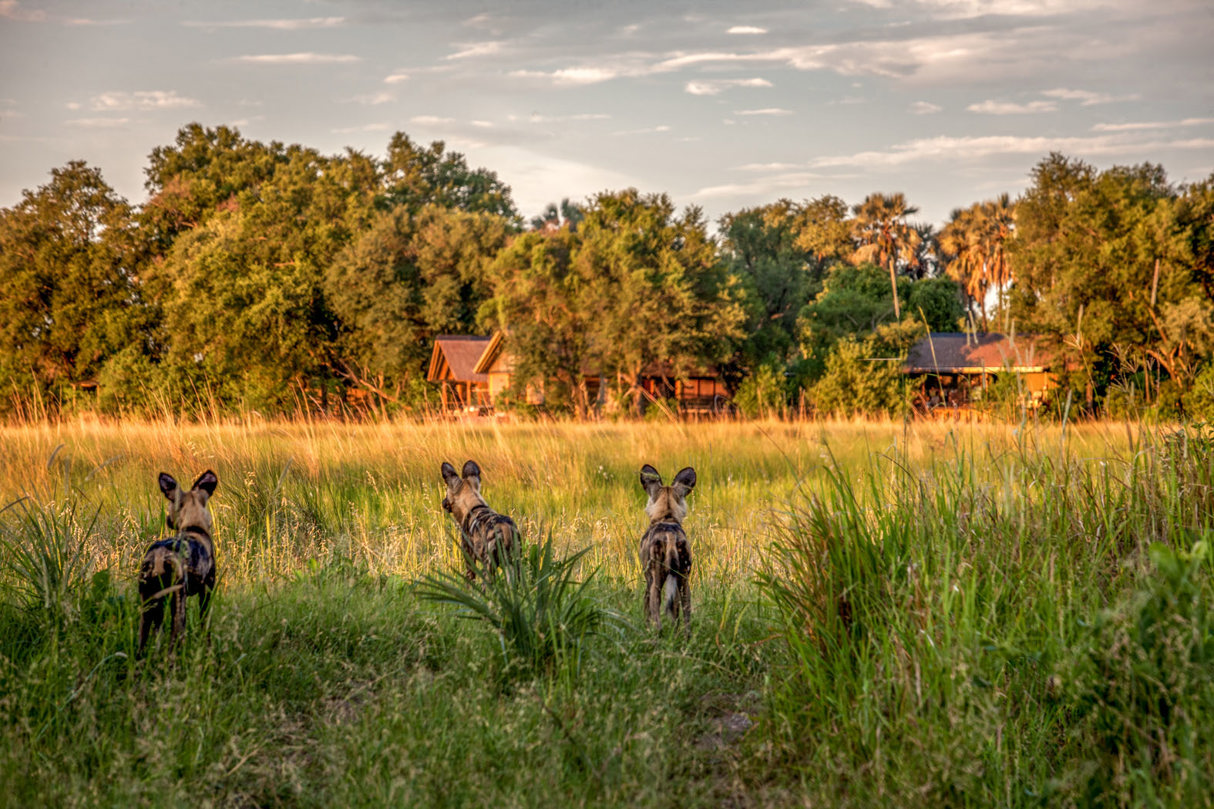
Wilderness Chitabe Botswana Wild Dogs in front of Camp

Talk to a Travel Designer

Enquire now

Frequently asked questions

What is the best time of year for a private safari in Botswana?


Botswana is a year-round safari destination. May to October is traditionally considered the most popular time for safaris as these are the drier months when wildlife tends to congregate around water sources. However, the green season between November and April offers dramatic conditions for photography, and there are typically fewer visitors, enhancing the sense of exclusivity. The availability of private-use vehicles and exclusive-use camps is also higher in the green season months.


Which Wilderness camps in Botswana are best for a private safari?


Wilderness has long championed Botswana’s low-density tourism model through our collection of intimate safari camps. While larger camps offer the option to book private vehicles and guides, the ultimate private safari experience is found in Wilderness' little camps; small, highly exclusive properties designed for just a handful of guests. 


Among the standouts is Little DumaTau in the Linyanti Wildlife Reserve. With just four tented suites, the camp is perfectly suited to families or small groups wanting to take over the entire camp for a truly exclusive safari, while still providing easy access to all the facilities that the bigger DumaTau lodge has to offer. Here you can enjoy a wonderful mix of land and water activities, including game drives, boating, fishing, and seasonal walking safaris.


Little Vumbura is another exceptional private safari option. Set on a secluded island in the Okavango Delta, the camp has just six tented suites and can be booked exclusively by families or groups of friends. Its location allows for both water- and land-based safari activities.


And for those seeking the ultimate wildlife experience, Wilderness Little Mombo offers only four luxurious suites with privileged access to the legendary Chief's Island, renowned for extraordinary concentrations of wildlife and predator sightings.


How remote are the camps? Is there connectivity?


The Wilderness camps in Botswana are located in some of the country's most remote regions, delivering exceptional privacy. Despite their remote settings, you can still enjoy modern comforts, including Wi-Fi connectivity in guest areas and suites at most camps, allowing you to stay in touch when needed while still embracing the sense of escape that makes Botswana so special.


Are there specific activities for families on a private Botswana safari?


Absolutely. Botswana is an exceptional destination for families, although for those with young children  (aged 6 and up are allowed at our Botswana lodges), a private guide and vehicle is required. This does allow for activities to be tailored around the ages and interests of your family. While certain safari activities do have age restrictions for safety reasons (for instance walking safaris are only for those aged 12 and up), Wilderness offers a wide range of family-focused experiences that ensure younger travellers stay entertained.


One of the highlights is the Bush Buddy programme, designed to help children connect with nature through fun, hands-on learning. Upon prior arrangement, young guests are paired with a dedicated mentor who creates activities based on their interests, from animal tracking and bird identification to treasure hunts, nature crafts, storytelling, stargazing, and learning about the smaller wonders of the bush that are often missed on game drives.


Depending on the camp and children's ages, families can also enjoy a variety of safari experiences including mokoro trips, boating and barge trips, catch-and-release fishing, and cultural and conservation-focused activities.

Why the camera loves Botswana

Made for photography

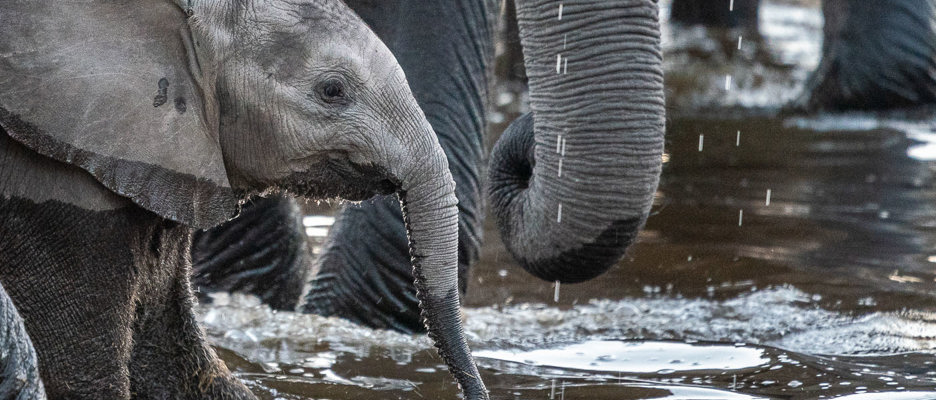
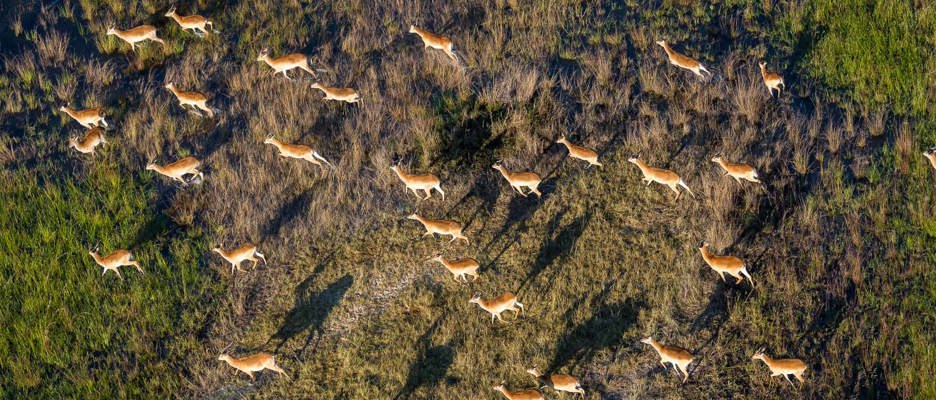
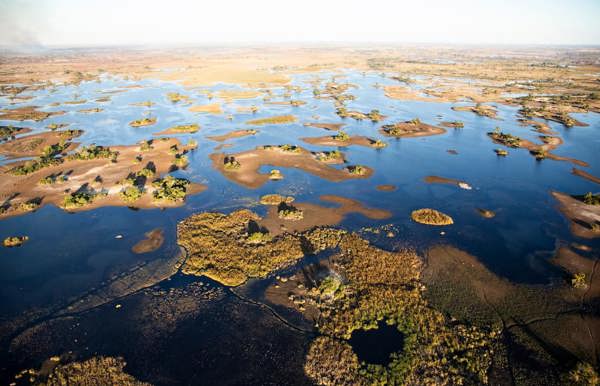
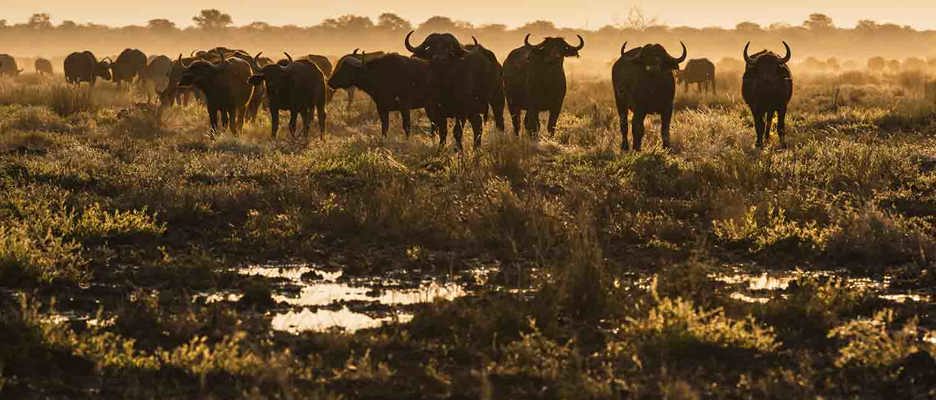
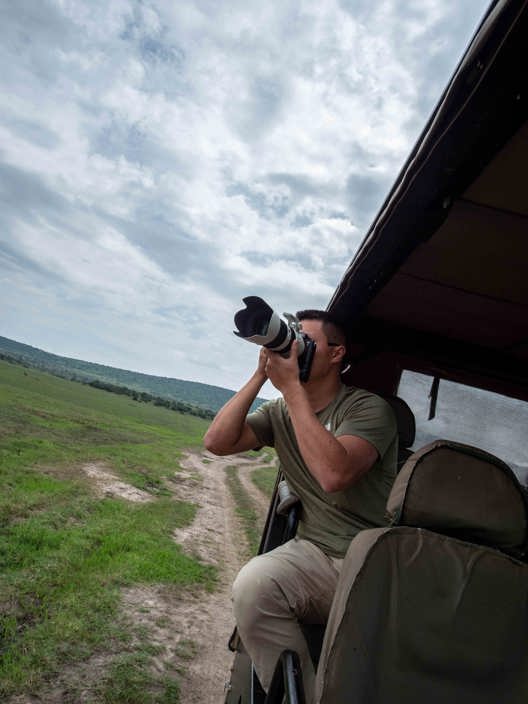
Mega-herds of elephants, the largest inland delta in the world; Botswana’s wilderness areas are replete with biodiversity and natural beauty – and illuminated by a magical ‘golden hour’ twice a day. With the country’s limits on visitor numbers, in order to keep ecosystems pristine, you can home in on the moment without the distraction of big crowds, a rarity for any photographer or traveller.  
Take me there
Wilderness Camera Tips Photography On Safari

Wilderness

Plan your Botswana safari

Start planning your Botswana safari with expert guidance on when to go, what it costs, where to stay, and how to build the perfect itinerary across the Okavango Delta, Linyanti and beyond.

Most photogenic locations

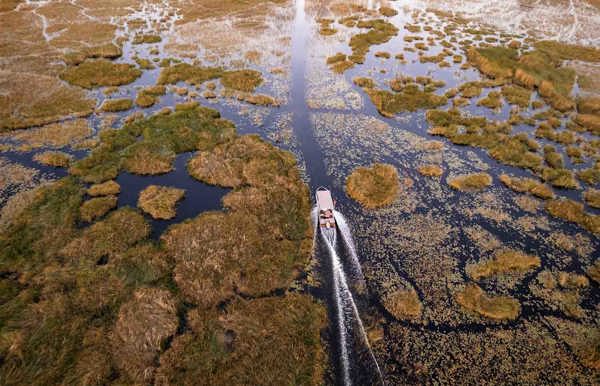
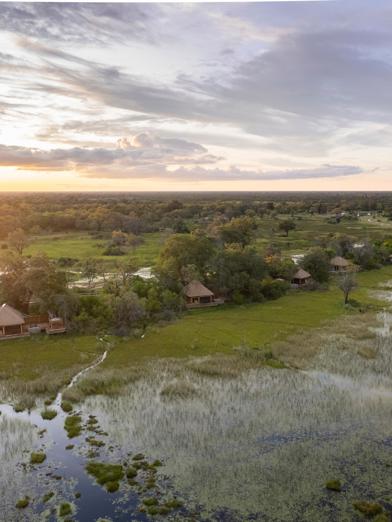
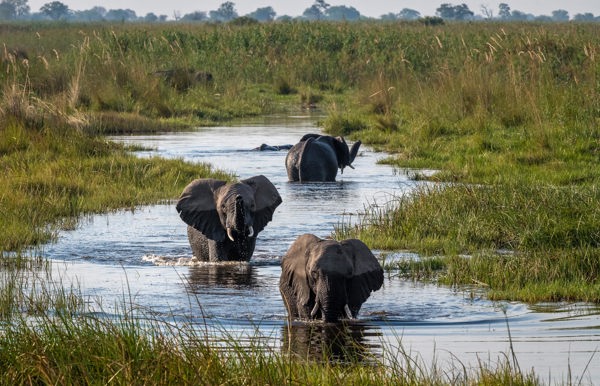
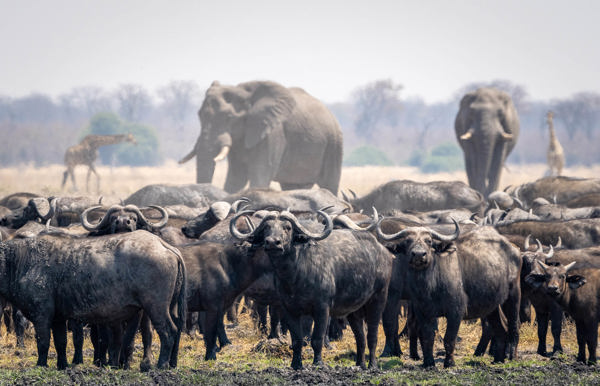
The Okavango’s mosaic of habitats, the Linyanti’s elephants, and the Mababe’s wild predators: the areas where we operate in Botswana are some of the most photogenic in the country.
Jao flood plains during a high flood season means water and animals

Okavango Delta

Wild, vast, abundant. Botswana’s Okavango Delta teems with life, one of the last great sanctuaries for Africa’s wildlife.

Okavango Delta
Wilderness Linyanti Tented Camp Botswana Area

Linyanti Wildlife Reserve

Botswana’s premium safari destination you might never have heard of, and home to many elephants.

Linyanti region
Remote Wilderness safari camp in Botswana’s untamed Mababe Depression

Mababe

Discover a unique pulse and energy on the plains of Botswana, with a visceral safari unlike anything you’ve ever seen before.

Mababe region

Iconic photographic shots

Every frame you capture here will be memorable, but here are some typical shots that photographers keep high up on their Botswana bucket lists:
Wilderness Linyanti Tented Camp Botswana Wildlife Elephant
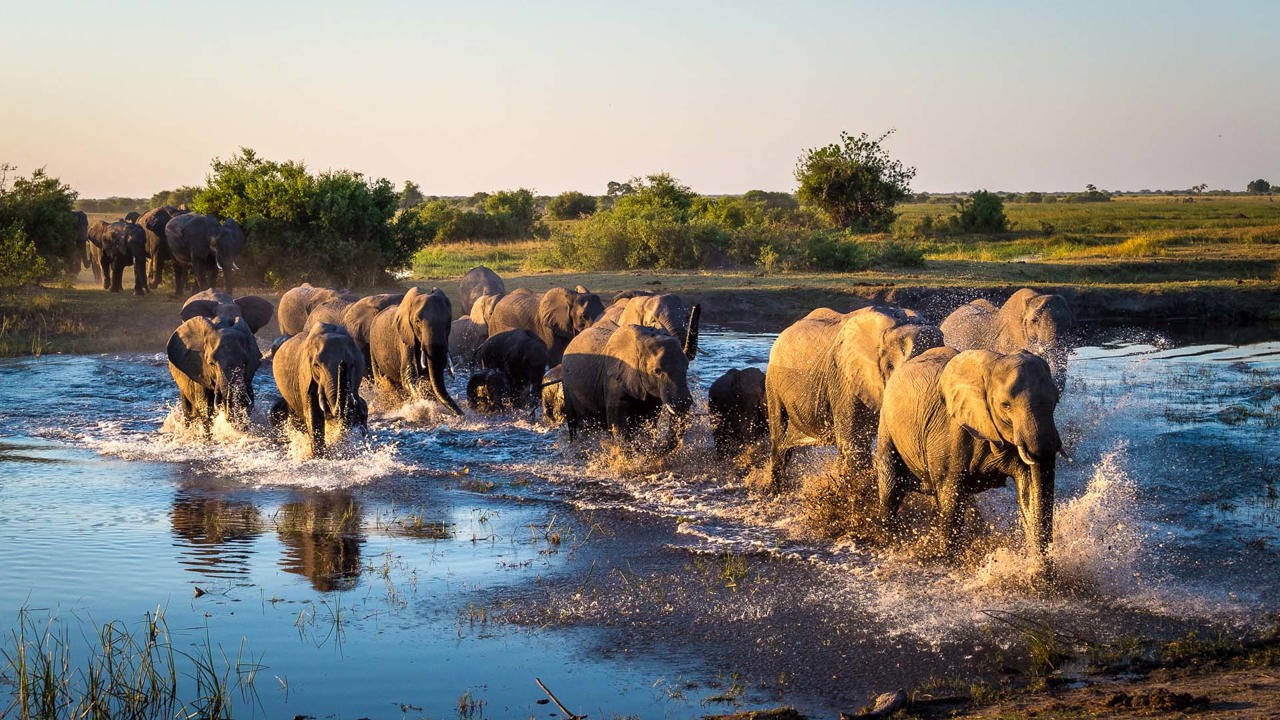
Elephants crossing
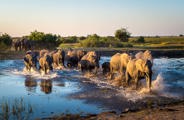
There’s intangible magic watching elephants submerged in water, crossing a lagoon as the sun sets.
Supermom cheetah family sitting on a termite hill in Chitabe
Predators on the hunt
Predators’ interactions with their prey (and each other) are fascinating.
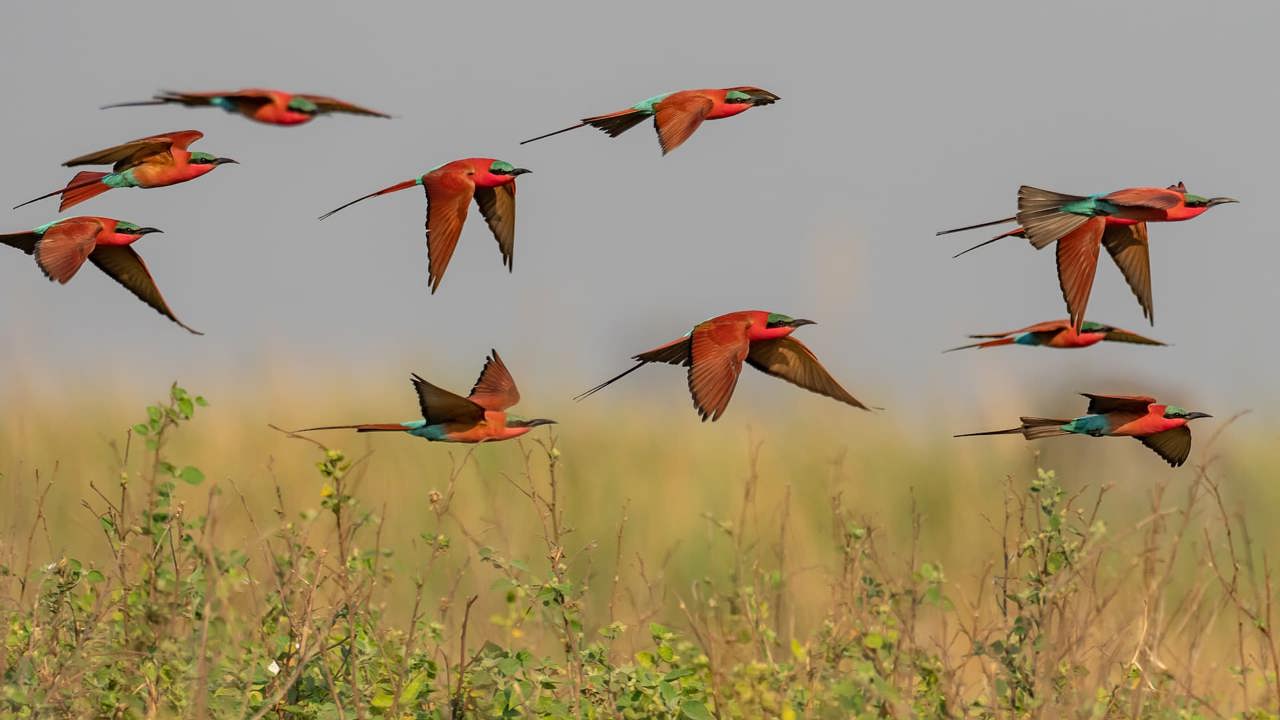
A composite image showing multiple Southern Carmine Bee-eaters in flight above green and brown riverine vegetation against a soft, light-colored sky.
Birds in flight
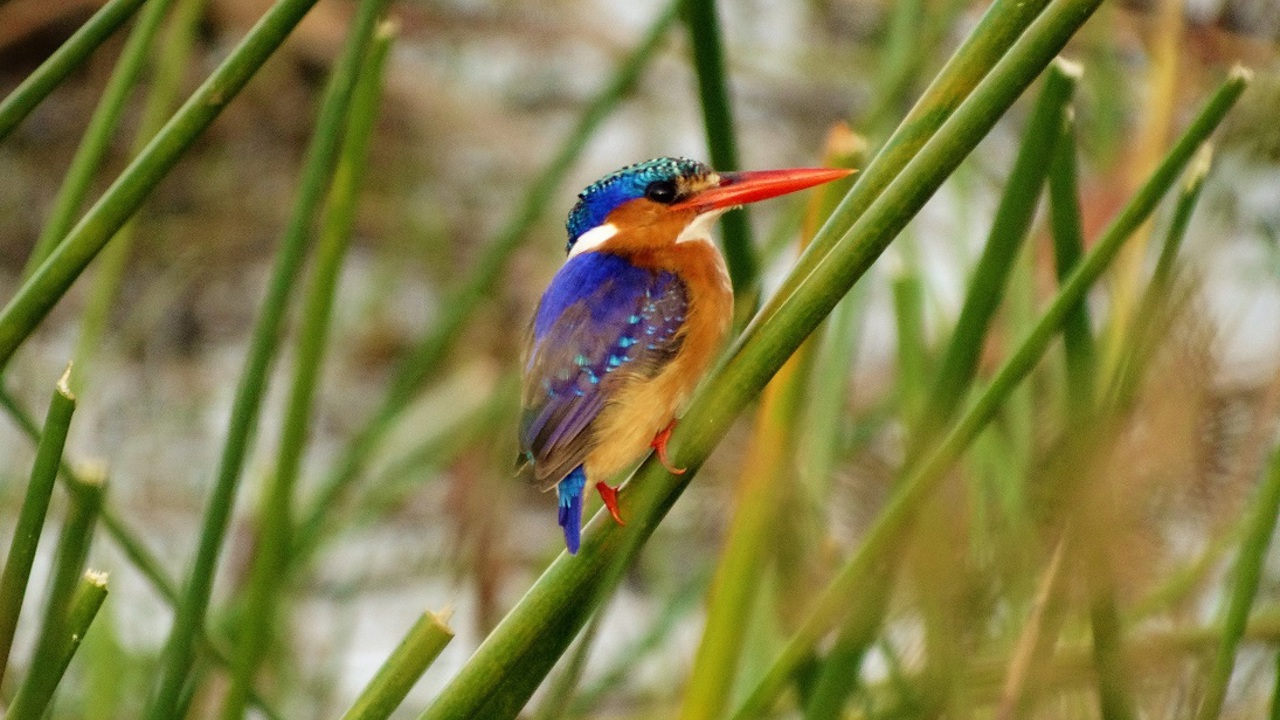
Carmine bee-eaters, kori bustards, and the coveted Pel’s fishing owl… birders love Botswana.
Mokoro perspectives
Get eye-to-eye and low-angle wildlife perspectives, plus great shots of antelopes in the water.
Guides learning about the constellations during a Wilderness stargazing experience
Starry skies
Kalahari & Mababe skies are often praised, but there are stunning stars across all Botswana’s wilds.
Wilderness Linyanti Tented Camp Botswana Wildlife Elephant
Supermom cheetah family sitting on a termite hill in Chitabe
A composite image showing multiple Southern Carmine Bee-eaters in flight above green and brown riverine vegetation against a soft, light-colored sky.
Guides learning about the constellations during a Wilderness stargazing experience

Wildlife photography guide

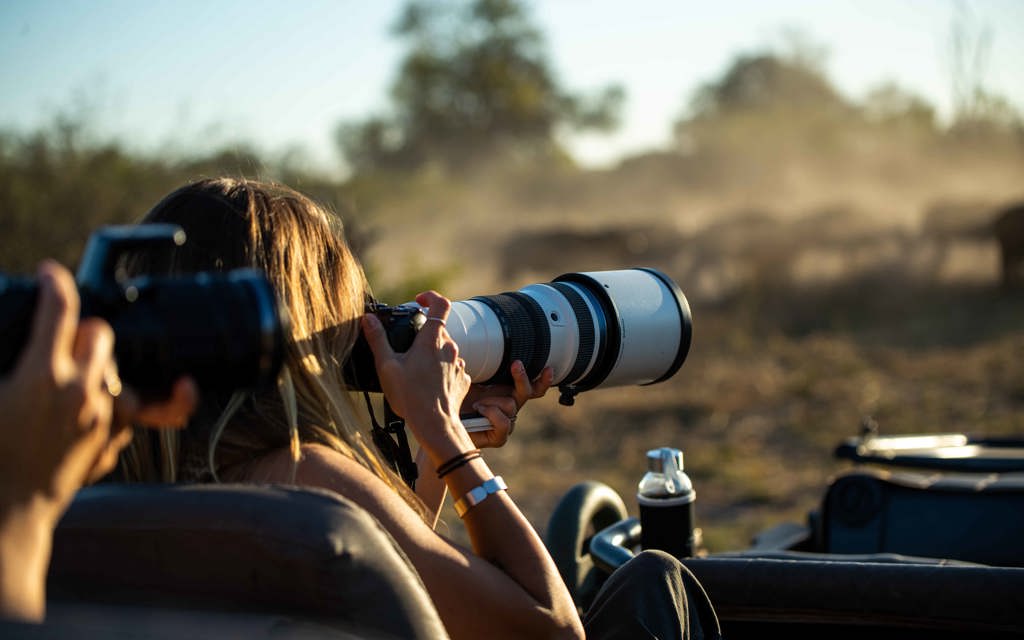
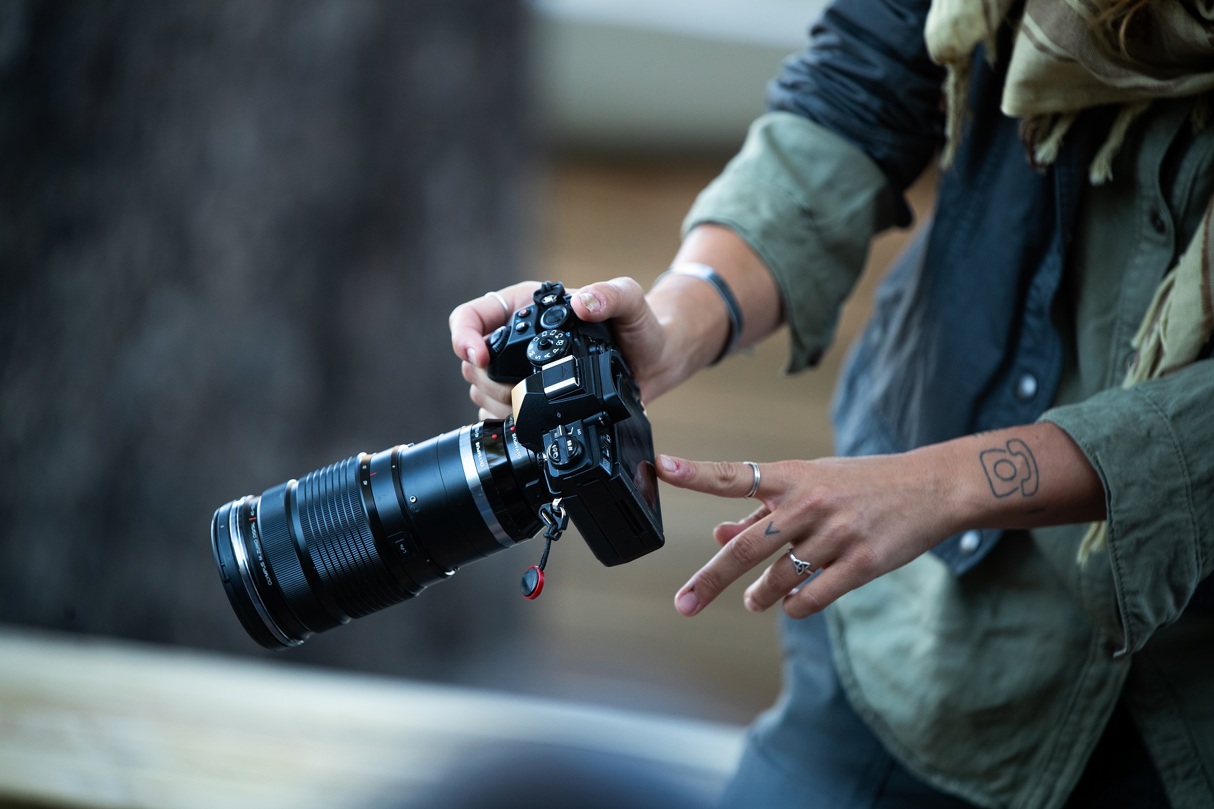
The best advice for safari photography is more simple than you think: understand your equipment, practice with it before you arrive, and exercise patience. It’s all about coming prepared and hoping you’ll be in the right place at the right time. 

Big cats

“Study and understand the behaviour of the animals” says ex National Geographic Instructor and photographer Andrew Ling. Impala give clear warning signs like snorting, stamping, or freezing while staring in one direction, often signalling lions or leopards nearby. Lean on your guide’s awareness of these cues so that you always have your camera ready.
01 / 10

Birding

“Set the ISO to AUTO and set the camera to shutter priority using a fast shutter speed“ – Michaela Skovranova, National Geographic Contributor. To avoid frightening your subject, use a long telephoto lens to maintain a safe distance, a silent shutter, and keep that flash off at night. To capture birds in their stunning breeding plumage, try to visit during Botswana’s summer.
01 / 07

Predator action

Reading animal behaviour is key here, too. Photographer and Videographer Joe Hanly recommends shooting in bursts: “Many systems allow you to shoot multiple frames when you squeeze the shutter, which will help you to ensure you capture a sharp image and to select the best frame… This nifty feature takes the pressure off you to react to the action, without worrying about missing the shot”.
01 / 08

Landscapes

Most professional photographers will tell you that the best time for landscape photography is during the golden hours of the day – 15 to 30 minutes before sunrise and 30 minutes to an hour after sunrise, and then 15 to 30 minutes before sunset up to 30 minutes after sunset. Make sure you have a wide-angle lens, too, and bring a bean bag for stability in place of a tripod.
01 / 08

Wilderness

Explore Botswana safari experiences
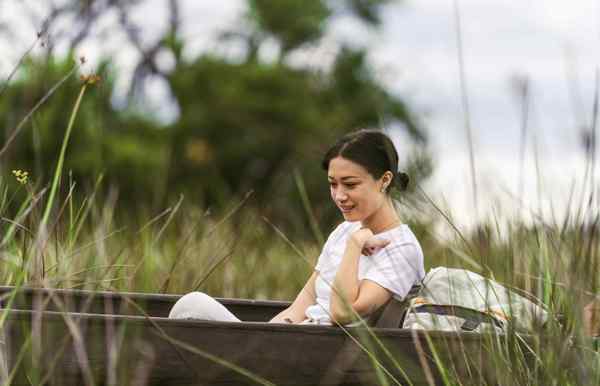
Explore Botswana’s landscapes, wildlife and safari experiences, from the Okavango Delta’s waterways to Linyanti’s elephant herds, rich cultures and conservation success stories.

Photographic safari in Botswana

“If you wait at the underground hide near Wilderness King’s Pool, life suddenly emerges. One of the most remarkable couple of hours I’ve spent in the bush…” James Tyrrell, Private Guide & Photographer


Dave Hamman on safari taking photographs in Wilderness Chitabe

Photographing predators


Prides of lions, packs of wild dogs, and a remarkable cheetah population hunt the Delta plains. “Truly remarkably, at Wilderness Chitabe alone, no fewer than 50 leopards have been recorded”, notes Dave Hamman, Wildlife Photographer & Chitabe Co-owner. “Every game drive brings new sightings and photo-ops”.

Drone use & ethical considerations

Drone use is highly regulated by the Civil Aviation Authority of Botswana (CAAB), especially in protected areas, so make sure you register and apply for certification long before you arrive. There are also separate applicable fees for private, commercial and corporate use.


Be sure to familiarise yourself with the latest CAAB regulations.


Photographing in wilderness areas comes with important ethical considerations, too. The golden rule? The comfort and safety of the wildlife are paramount.


Read more about the ethics of wildlife photography here.

Wilderness camps in Botswana

From the Okavango Delta to remote Linyanti and vast Mababe, discover Wilderness Botswana's camps — each set in a distinct ecosystem with its own wildlife, landscape and safari character.

Frequently asked questions

Photographic safaris in Botswana
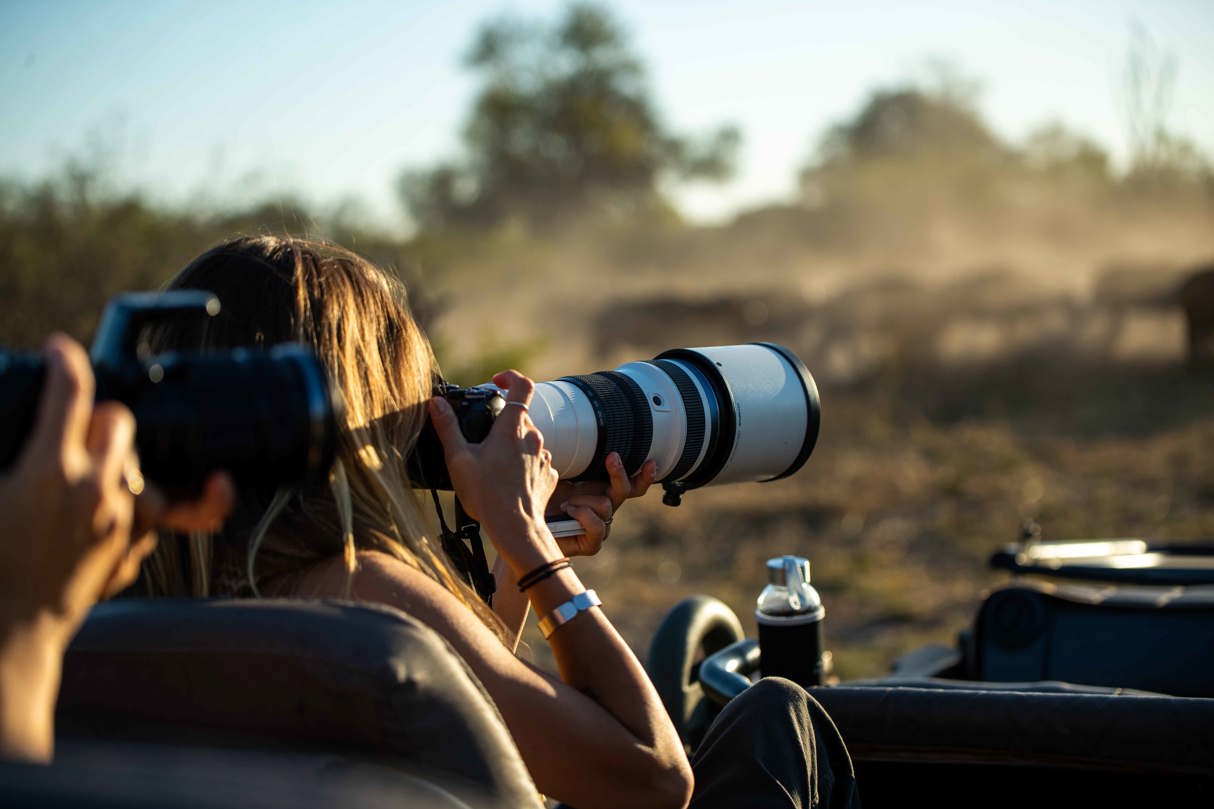
Wilderness Camera Tips Photography On Safari

PLAN YOUR JOURNEY

Tailored itineraries

Tell us what your ideal Botswana safari looks like, and ask about our Star Beds and hides, and we’ll expertly curate your dream trip.

Speak to a Travel Designer
The male lion is the king of the Wilderness

Let’s plan your next journey

Ready?

When we say we’re there every step of the way, we mean it, literally. From planning the perfect circuit, to private inter-camp transfers on Wilderness Air, and easing you through Customs. We’re with you on the ground, at your side, 24-7, from start to finish. Ready to take the road less travelled? Contact our Travel Designers to plan an unforgettable journey.